Some industries are harder to explain on camera.
Healthcare, manufacturing, logistics, agriculture, technology, SaaS, engineering, construction, supply chain and scientific sectors often have products, processes or services that are not obvious at first glance. The work may be technical, regulated, operational, highly specific or built around knowledge that sits inside the business.

That does not mean the video needs to feel complicated.
Good video production for complex industries is about making the message easier to understand without flattening the detail. The goal is to help the right audience see what matters, why it matters and how the product, process or service works in a real setting.
That takes planning before filming starts.
Technical content often goes wrong when the video begins from the company’s point of view.
The team knows the product. They know the system. They know the internal terms, workflows and details. The audience may not.
Before writing a script or planning the shoot, we need to define the viewer’s starting point. Are they a customer, patient, procurement manager, investor, distributor, clinician, engineer, site manager, farmer, internal team member or end user?
Each audience needs a different level of information.
A technical buyer may want detail. A customer may want reassurance. An internal team may need clear steps. A stakeholder may need a high-level view of capability. A patient may need plain language and a calm tone.
The first question should be simple: what does this person need to understand after watching?
Complex industries often have too much to say.
That can lead to a video that tries to explain every feature, every process and every outcome at once. The result is usually harder to follow, even if all the information is technically correct.
A stronger approach is to find the central idea.
That might be:
Once the main idea is clear, every scene can support it. The script, interview questions, visuals and edit all have a job.
This is where corporate video production can be useful for organisations that need technical, operational or internal messages communicated in a way people can follow.
Technical content becomes easier to understand when people can see it in use.
A software interface, warehouse, clean room, farm, production line, clinic, machine, laboratory, construction site or logistics operation can give the audience a visual reference point. It turns an abstract explanation into something tangible.
Instead of only saying a system improves workflow, show the workflow. Instead of only describing a product feature, show the product being used. Instead of listing service benefits, show the people, environment and steps involved.
This is important when the audience is unfamiliar with the setting. Visual context helps them orient themselves.
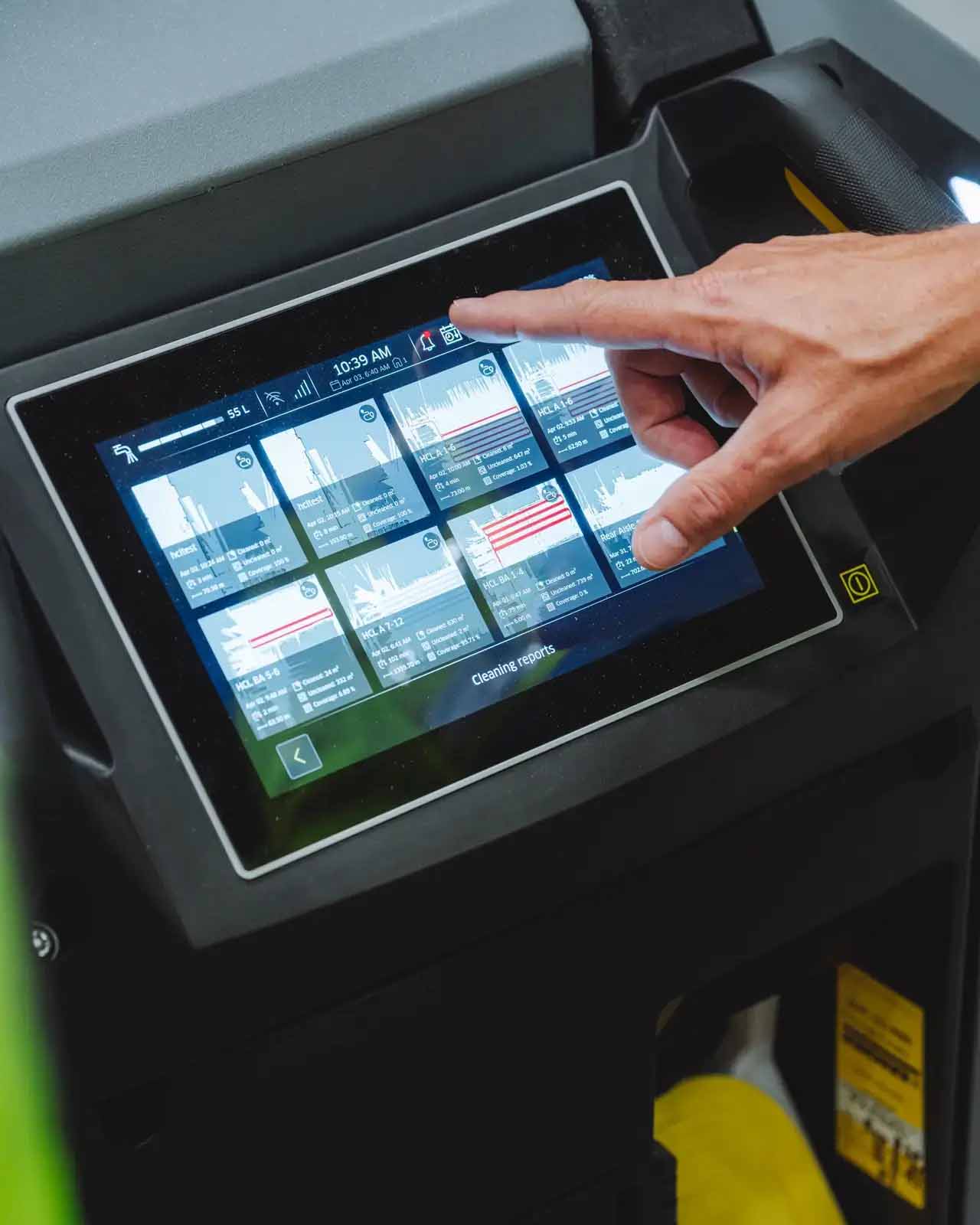
For example, the Kärcher x Healthcare Logistics case study video and photography project worked because the product was shown inside a live operational environment. The story was easier to believe because the audience could see the robotic cleaning solution working in a real pharmaceutical logistics setting.
Technical videos often involve experts: clinicians, engineers, product managers, researchers, operations leaders, software specialists, technicians or senior staff.
These people are valuable because they know the detail. The challenge is helping them explain it clearly on camera.
Most subject matter experts do not need a heavy script. They usually need a clear structure, calm interview process and the right prompts. If the interview becomes too scripted, it can sound stiff. If it is too open, it can become hard to edit into a clear story.
A good interview process helps the expert speak in their own language, while still keeping the message focused.
Useful prompts include:
The best answers usually come when people stop trying to “present” and start explaining something they know well.
Clear language does not mean basic language.
Some technical terms may need to stay because they are accurate, industry-specific or expected by the audience. The key is to use those terms carefully and support them with context.
A good technical video should remove unnecessary friction. That means avoiding long internal phrases, dense acronyms, generic claims and language that only makes sense to people already inside the business.
Where a technical term is needed, explain it visually or place it inside a simple sentence. If a process has several steps, use structure. If the audience needs to remember a key point, repeat it through visuals, interview lines and on-screen text.
The goal is clarity, not oversimplification.
Some technical ideas are difficult to film directly.
A software process, internal workflow, hidden mechanism, system architecture, medical pathway or technical specification may need support from motion graphics, screen recordings, diagrams or on-screen text. Where filming is not practical at all, animated explainer videos can carry the parts of the story a camera cannot reach.
The key is to use graphics to clarify, not decorate.
Simple visual aids can help explain:
For product-led technical content, combine real footage, demonstration, details and supporting graphics so the audience can see the product and understand its value in context. Our product video production service is built around that balance.
Make the final video useful across the business
Technical content often has uses beyond one campaign.
A well-planned shoot can support:
Complex industries do not need to sound complicated on camera.
The strongest technical videos start with the audience, find one clear idea, use real settings, guide experts through natural interviews and support the message with practical visuals. They respect the detail, but they do not make the viewer work too hard to understand it.
When the message is planned properly, technical content can feel calm, credible and easy to follow.
That is the real job of video production in complex industries: helping people understand the value of work that is often hard to explain in words alone.


.webp)